
Rwanda Travel Guide

Arturo Merrill -
July 22, 2026

Rwanda Travel Guide an Overview

Rwanda is one of Africa’s most remarkable success stories, a small, mountainous country that has transformed itself into one of the continent’s cleanest, safest, and most rewarding destinations. Known as the Land of a Thousand Hills, it packs an astonishing amount into a territory smaller than Belgium: misty volcanoes sheltering the world’s last mountain gorillas, ancient rainforest, a Big Five savannah park, and one of Africa’s most pleasant capital cities.

Most travelers come for gorilla trekking in Volcanoes National Park, and it deserves the hype; standing a few meters from a wild silverback is genuinely a once-in-a-lifetime experience. But Rwanda rewards those who stay longer. Here’s what belongs on your itinerary:

  • Volcanoes National Park:  The headline act. Home to a dozen habituated mountain gorilla families on the slopes of the Virunga volcanoes, about a two- to three-hour drive from Kigali. You can also trek to see golden monkeys (permits cost around $100) or hike to Dian Fossey’s tomb and research site.
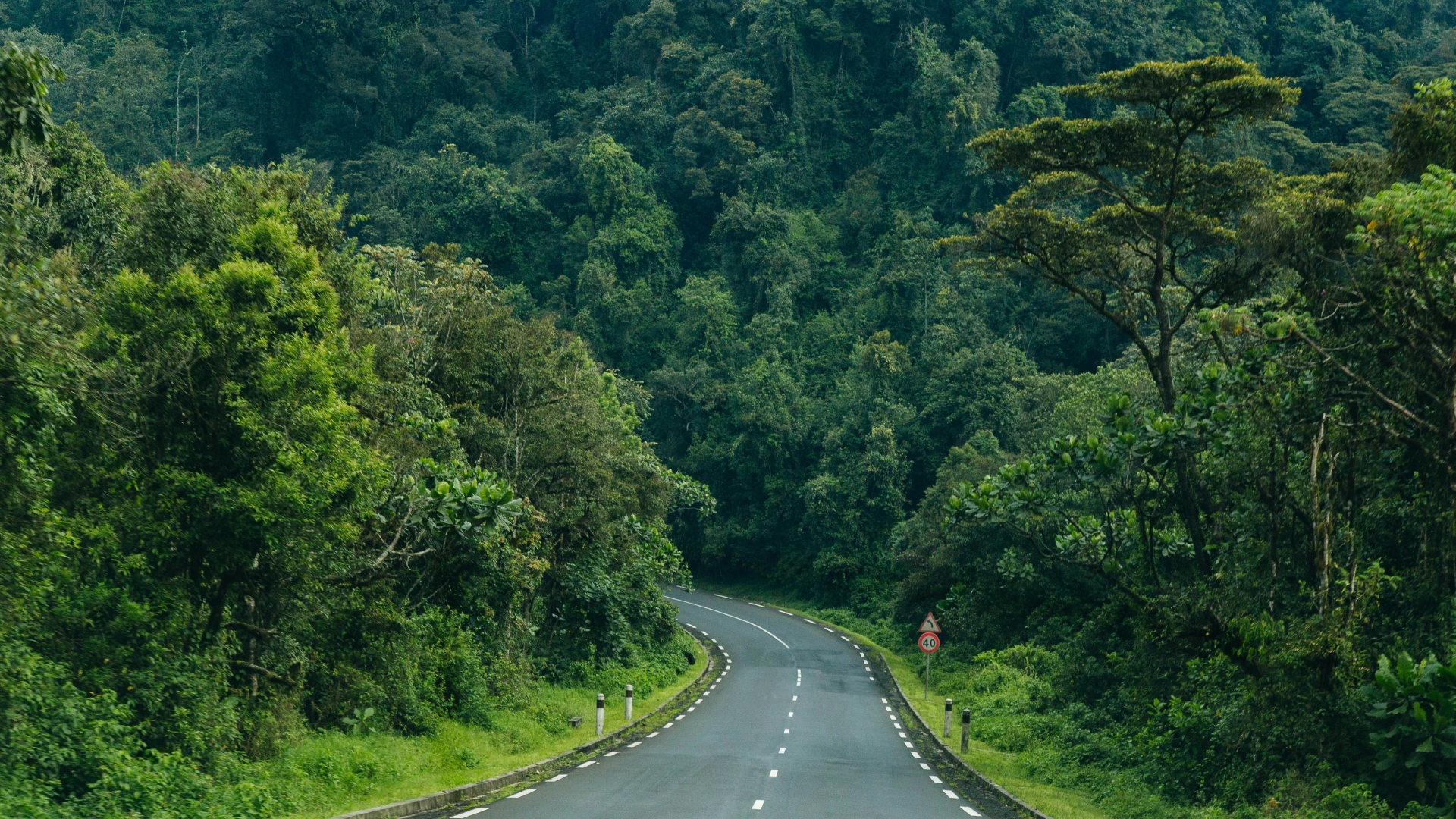
  • Nyungwe National Park: One of Africa’s oldest montane rainforests, in the country’s southwest. Come here for chimpanzee trekking, thirteen primate species, and a canopy walkway suspended high above the forest floor.
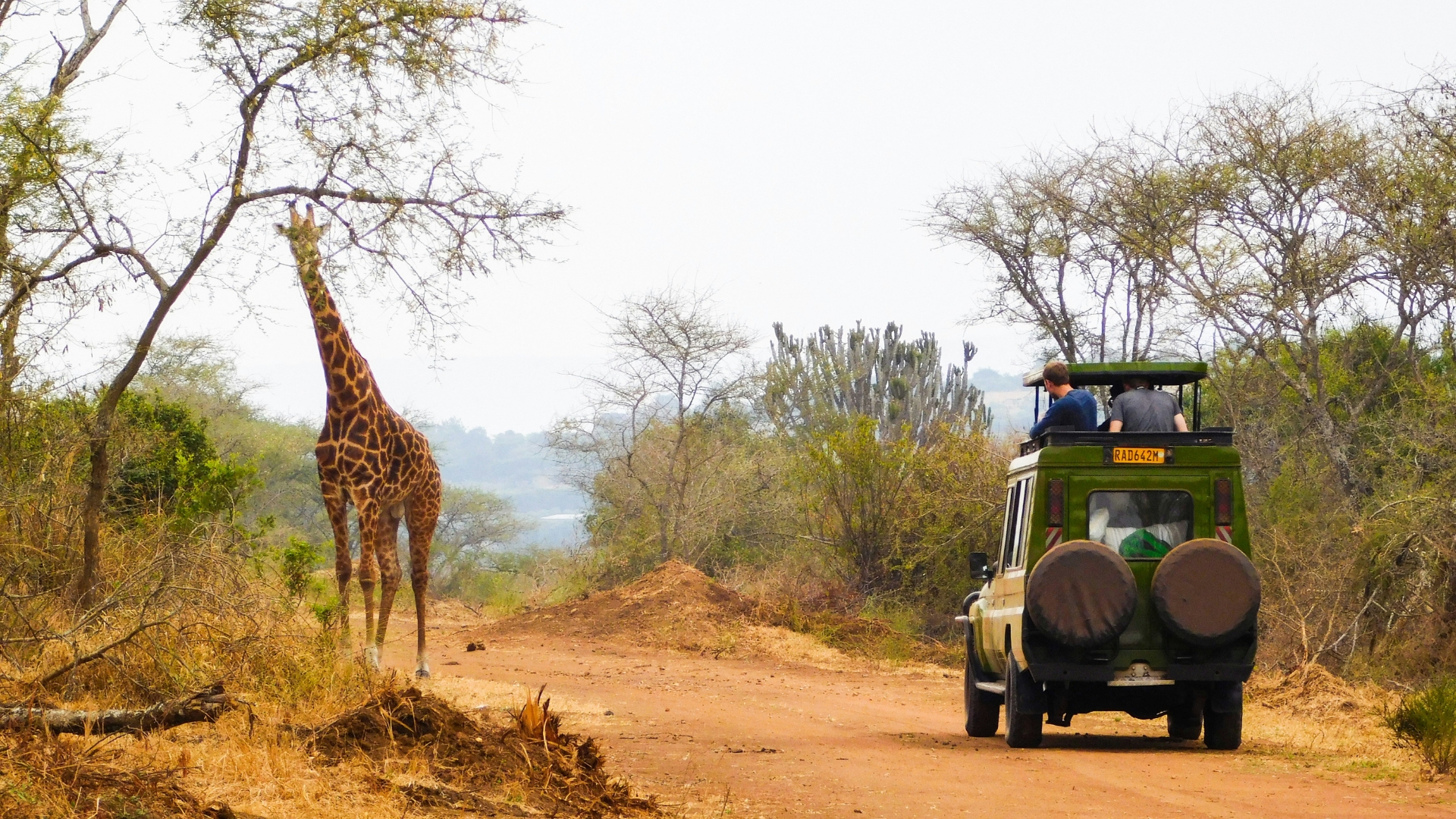
  • Akagera National Park: Rwanda’s savannah surprise in the east. After lions were reintroduced in 2015 and black rhinos in 2017, Akagera became a full Big Five park. Game drives and boat safaris on Lake Ihema make it an easy two-day add-on from Kigali.
  • Lake Kivu: The country’s inland sea, fringed by beach towns like Rubavu (Gisenyi) and Karongi (Kibuye). Kayak, swim, tour coffee-washing stations, or cycle a stretch of the Congo Nile Trail.
  • Kigali: consistently ranked among Africa’s cleanest and safest capitals. Don’t skip the Kigali Genocide Memorial, a moving and essential visit for understanding modern Rwanda. Round it out with Kimironko Market, the Inema Arts Center, and the city’s excellent specialty coffee scene.

Give the country five to seven days and it will surprise you. This Rwanda travel guide covers everything you need to plan the trip: flights, safety, weather, budget, and the practical details most guides skip.

Quick Facts About Rwanda

Language

Kinyarwanda (official), English, French, Swahili

Currency

Rwandan Franc (RWF) Credit/Debit Cards work in cities, cash rules everywhere else

Visa

Visa on arrival for all nationalities (30 days); eVisa available online need help?

Power Plugs

Type C & J (230V) bring a universal adapter

Religion

Predominantly Christian (roughly 90%)

Capital

Kigali

Climate

Mild tropical, spring-like year-round; two dry seasons (June–September & December–February)

Apps

Yego (ride-hailing), Irembo (government services & permits), MTN MoMo (mobile money)

Flight Information for Rwanda

Nearly all international visitors arrive at Kigali International Airport (KGL), a compact, efficient airport about 10 km from the city center. RwandAir, the national carrier, connects Kigali directly with London, Brussels, Paris, Dubai, and major African hubs, while Qatar Airways, Ethiopian Airlines, Turkish Airlines, and Kenya Airways offer one-stop routings from most of the world. From South Asia and the Gulf, the Doha and Dubai connections are usually the fastest and best-priced options.

A few booking tips from experience

  • Book flights and gorilla permits together, early. July and August are peak season, and permits for specific dates sell out months ahead. Lock the permit date first, then the flight.
  • Compare open-jaw options. Some travelers fly into Kigali and out of Entebbe (Uganda) when combining both countries on one East Africa trip.
  • Domestic flying is limited. Rwanda is small enough that almost everything is a road trip; Akagera Aviation offers helicopter charters to the parks if budget is no concern.

Want the legwork done for you? The Travel and Diaries team can find and book your flights to Kigali and handle the visa paperwork in one go.

Safety Information You Should Know Before Visiting Rwanda

Is Rwanda safe for tourists? Yes, It is consistently rated among the safest countries in Africa, with low crime rates, visible policing, and excellent infrastructure. Solo travelers and families alike report feeling safer in Kigali than in many European capitals. Petty theft can happen in crowded markets and bus stations, so keep phones and wallets secured, but violent crime against tourists is rare.

A few things genuinely worth knowing before you land: 

  • The plastic bag ban is real and enforced. Non-biodegradable plastic bags have been banned since 2008 and can be confiscated at the airport. Pack with cloth or paper bags.
  • Umuganda affects your travel plans. On the last Saturday of every month, the whole country takes part in Umuganda — a mandatory community work morning. From roughly 8 to 11 a.m., shops close and transport largely stops. It’s one reason the country is so clean; plan a slow morning or join in if invited.
  • Dress modestly outside Kigali. Rwanda is socially conservative, especially in rural areas. Covered shoulders and knees will always be appropriate.
  • Discussing the 1994 genocide requires sensitivity. Visit the Kigali Genocide Memorial to understand the history, but let locals lead any conversation about it.
  • Health basics: a yellow fever certificate is required if you’re arriving from a country with yellow fever risk. Malaria is present, particularly in lower-lying areas like Akagera — talk to a travel clinic about prophylaxis, and stick to bottled or filtered water.

Climate

Thanks to elevations mostly above 1,500 meters, Rwanda enjoys spring-like temperatures year-round, typically 18–27°C (64–80°F), which is why it’s such a comfortable destination in any month.

The best time to visit Rwanda is during the two dry seasons: June to September and December to February. Trails in Volcanoes and Nyungwe are far less muddy, mountain views are clearer, and Akagera’s wildlife concentrates around water sources. June to September is peak season, so expect the highest permit and lodge demand.

The long rains (March–May) and short rains (October–November) bring daily downpours that make forest trails slippery and some rural roads slow going, but they also mean fewer crowds, greener scenery, and better lodge rates. Gorilla trekking runs year-round regardless of season.

Whenever you come, pack layers: mornings at trekking altitude are genuinely cold, afternoons in Kigali are warm, and a light rain jacket earns its place in your bag every single month.

Budget & Practical Info

Rwanda isn’t the cheapest destination in East Africa, but the tourism model is deliberately high-value, low-impact, and outside the gorilla permit, day-to-day costs are reasonable:

  • Gorilla permit: $1,500 per person for foreign non-residents, booked through the Rwanda Development Board or a licensed operator. Book several months ahead for dry-season dates. Trekkers must be 15 or older.
  • Golden monkey permit: around $100; Dian Fossey tomb hike: around $75
  • Budget stays: roughly $15–30/night for hostels and guesthouses
  • Mid-range hotels: roughly $50–120/night
  • Luxury lodges near the parks: $300 to well over $1,000/night
  • Food: local buffets and brochettes $3–10; Western-style dining $10–25
  • Getting around: moto-taxis from about $1 in cities; Yego ride-hailing works like Uber; comfortable intercity buses connect Kigali with every region for a few dollars

Must-know practical tips:

  • Cards are widely accepted in Kigali hotels and restaurants, but carry cash (RWF) for markets, moto-taxis, and rural areas. Mobile money (MTN MoMo) is used everywhere by locals.
  • Buy a local SIM (MTN or Airtel) at the airport — you’ll need your passport to register. Data is cheap and coverage is good.
  • Tipping isn’t obligatory but is appreciated — around 10% in restaurants, and a few dollars a day for guides and trackers.
  • A 30-day tourist visa is issued on arrival to citizens of every country, or you can apply online in advance through Irembo. Nationals of African Union, Commonwealth, and Francophonie member states enter visa-free. If you’d rather not deal with the paperwork mid-journey, Travel and Diaries can arrange your Rwanda eVisa before you fly.
  • Combining countries? The East African Tourist Visa ($100) covers Rwanda, Uganda, and Kenya on one multiple-entry visa.

Final Thoughts

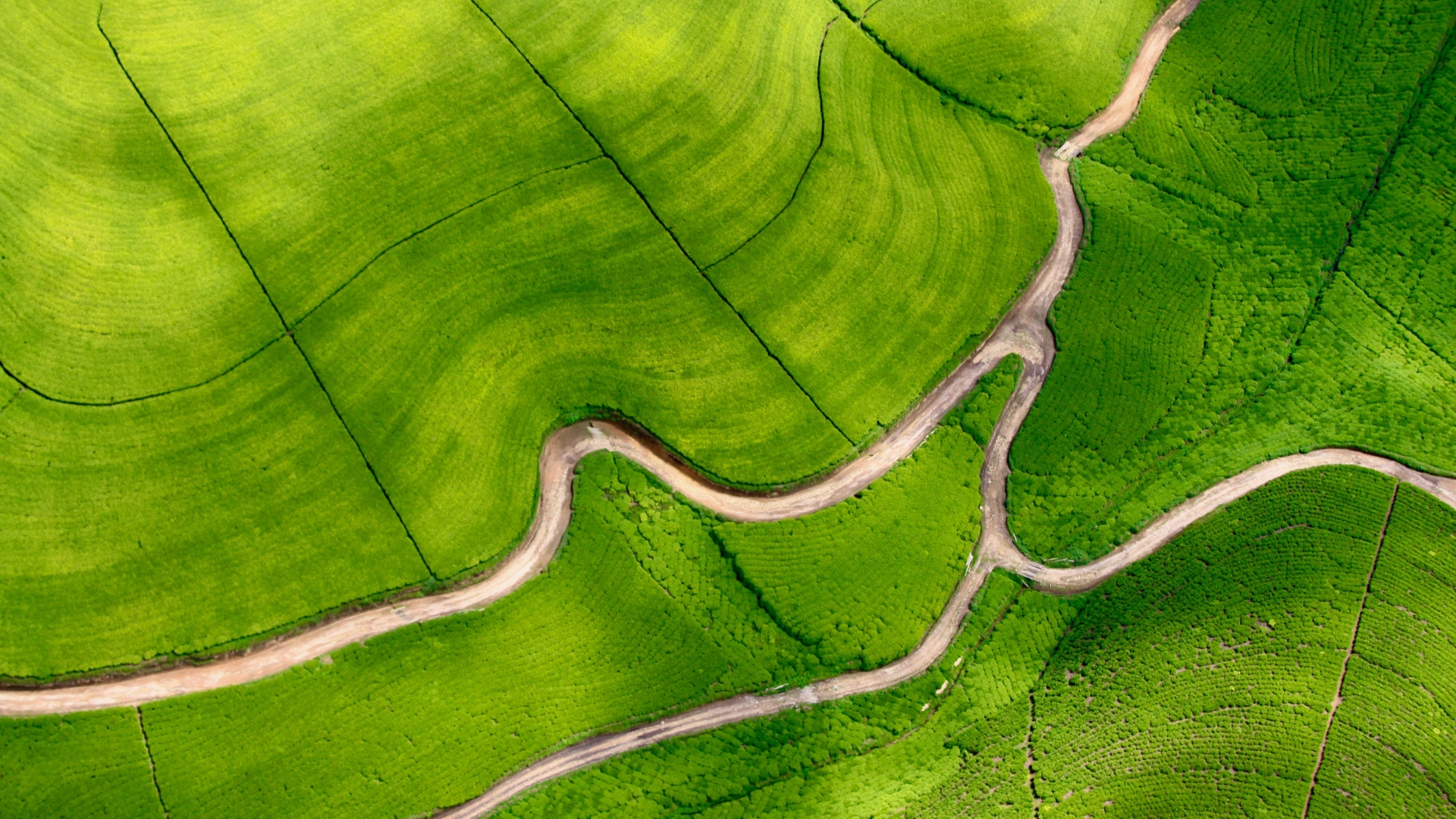
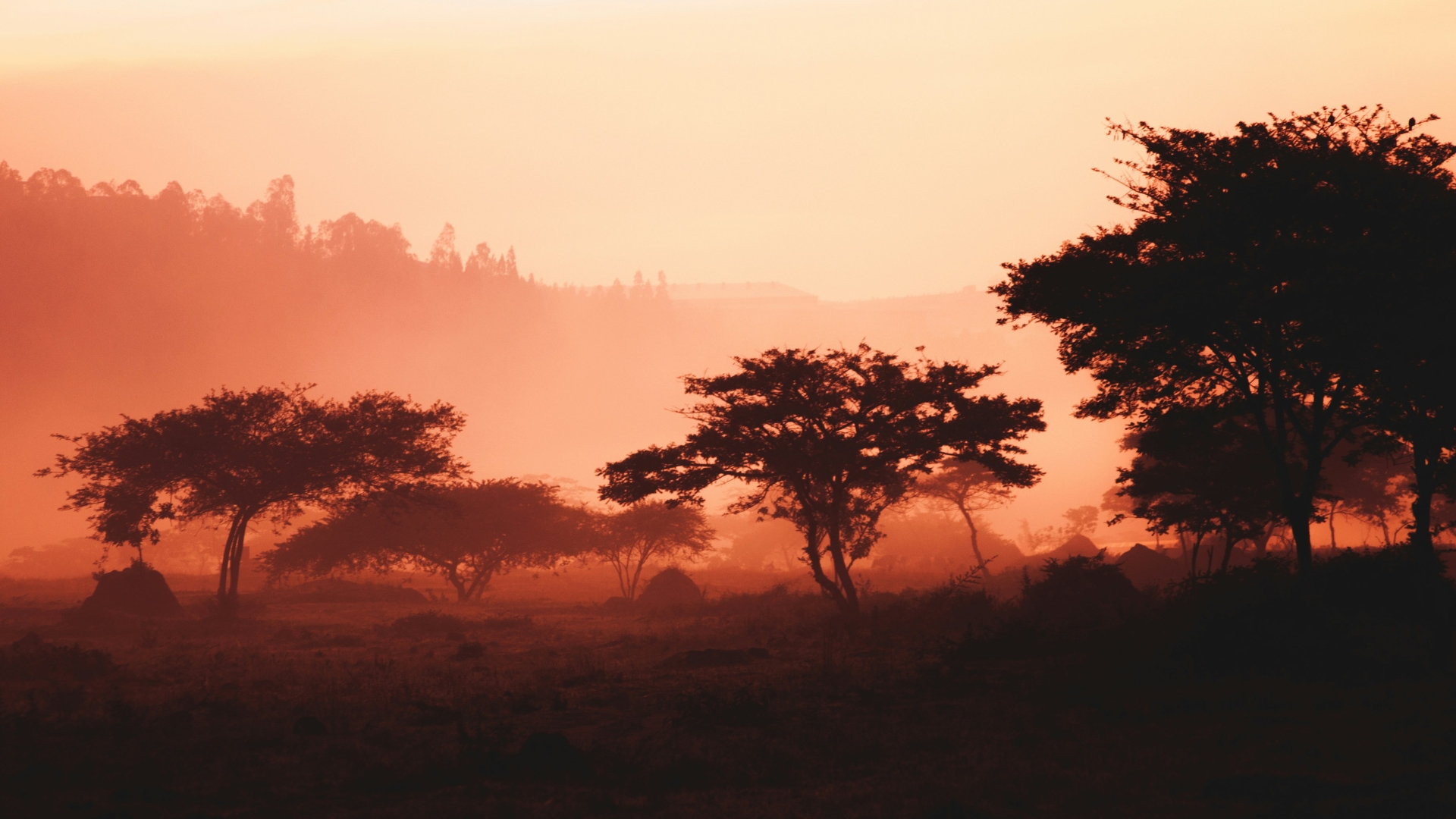
Rwanda surprises almost everyone who visits. Travelers arrive for the gorillas and leave talking about the spotless streets of Kigali, the tea hills rolling into the mist, the calm of Lake Kivu at sunset, and the quiet dignity with which the country carries its history. Few destinations anywhere combine world-class wildlife, genuine safety, and this much ease of travel.

Five days is the sensible minimum: two in Kigali, one for the gorillas, and two for Akagera or Nyungwe. A week lets you add Lake Kivu without rushing. However long you stay, book the gorilla permit first, sort the visa early, and the rest of the trip largely plans itself.

Ready to make it real? Search flights to Kigali or get your Rwanda visa sorted with Travel and Diaries — and check our other East Africa guides to pair Rwanda with Uganda or Kenya.

Frequently Asked Questions

Is gorilla trekking in Rwanda worth the cost?
For most travelers, yes. The $1,500 permit is steep, but you get a small trekking group (maximum eight visitors per gorilla family per day), expert guides and trackers, and up to an hour with a wild gorilla family at close range. Permit revenue directly funds conservation and community projects around Volcanoes National Park it's a big part of why mountain gorilla numbers are growing.
Is Rwanda safe for tourists?
Extremely safe by any regional or global standard. Crime rates are low, streets are clean and well-lit, and solo and female travelers routinely describe Rwanda as one of the most comfortable countries in Africa to move around. Use the same common sense you would anywhere mind your valuables in crowded places and you're unlikely to have any trouble.
How many days do I need in Rwanda?
Plan for at least five days: one to two in Kigali, one for gorilla trekking, and one to two for Akagera or Nyungwe, plus driving time between regions. Seven days is the sweet spot, letting you add Lake Kivu or a second park without rushing. Rwanda's compact size means nowhere is more than a day's drive from the capital.

Arturo Merrill

Editor in Chief & General Manager

Arturo Merrill is the Editor in Chief of Travel and Diaries, where he leads the destination guide program covering countries across Africa, Asia, and beyond. He sets the site's editorial standards: every guide published under his direction is checked against official government sources visa policy, park authority fees, and health entry requirements before it goes live, and reviewed on a regular update cycle so prices and rules stay current. His most recent research trip took him to East Africa in 2025. Arturo's goal for every guide is simple: the practical details most guides skip the community work morning that closes shops in Rwanda, the plastic-bag rule that catches travelers at the airport explained before you land, not after.

View Bio>

Explore Other Travel Guides
Saudi Arabia Travel Guide

Saudi Arabia Travel Guide

Saudi Arabia is a land of contrasts and hidden gems, blending ancient history with futuristic cities. From the towering skyscrapers of Riyadh to the UNESCO listed ruins of Al Ula, this country offers a mix of culture, adventure, and tradition. For history buffs, the Nabatean tombs of Hegra (Madain Saleh) rival Jordan’s Petra, while beach lovers can unwind on the pristine shores of the Red Sea. Whether you’re exploring the bustling souks of Jeddah or trekking through the dramatic dunes of the Empty Quarter, Saudi Arabia is full of surprises.

São Tomé & Príncipe Travel Guide

São Tomé & Príncipe Travel Guide

São Tomé & Príncipe is one of Africa’s best kept secrets, a pair of lush, volcanic islands floating in the Gulf of Guinea. Think empty beaches, jungle covered peaks, and colonial-era charm without the crowds. The main island, São Tomé, is packed with cocoa plantations and hidden waterfalls, while Príncipe (the smaller sibling) feels like a private paradise with luxury eco resorts. If you’re after adventure, relaxation, and a true off the beaten path experience, this is it.